Best Keywords for Furniture Stores: Your Guide to Keyword Types, Recommendations, Seasonality, and More
Understanding the right keywords to target is crucial for any furniture store aiming to enhance its online presence. With the furniture market becoming increasingly competitive, leveraging effective SEO strategies can significantly impact your visibility and sales. This article will explore various aspects of keyword optimization tailored specifically for furniture retailers, including buyer intent, keyword mapping, and seasonal trends.
The Importance of Keywords in Furniture Retail
Keywords serve as the bridge between your potential customers and your online store. When users search for specific terms, they are expressing their intent, whether they are ready to buy or simply browsing. By identifying and utilizing the right furniture store keywords, you can attract more visitors to your site and ultimately convert them into customers.
Buyer Intent vs. Browsing Keywords
Understanding the difference between buyer intent and browsing keywords is essential for crafting an effective SEO strategy.
- Buyer Intent Keywords: These are terms that indicate a user is ready to make a purchase. Examples include “buy modern sectional sofa” or “discount dining tables.” Targeting these keywords can lead to higher conversion rates as they attract users who are further along in the buying process.
- Browsing Keywords: These terms are used by individuals who are in the early stages of their shopping journey. Phrases like “living room furniture ideas” or “best furniture styles” fall into this category. While these keywords may not lead directly to sales, they can help build brand awareness and establish your store as a trusted resource.
By balancing both types of keywords in your content strategy, you can cater to a wider audience and guide them through their purchasing journey.
Keyword Mapping by Category

To maximize the effectiveness of your SEO campaign for furniture retailers, it’s beneficial to categorize your keywords. This approach allows you to create targeted content that resonates with specific customer segments. Here’s how you can map keywords by category:
Living Room Furniture
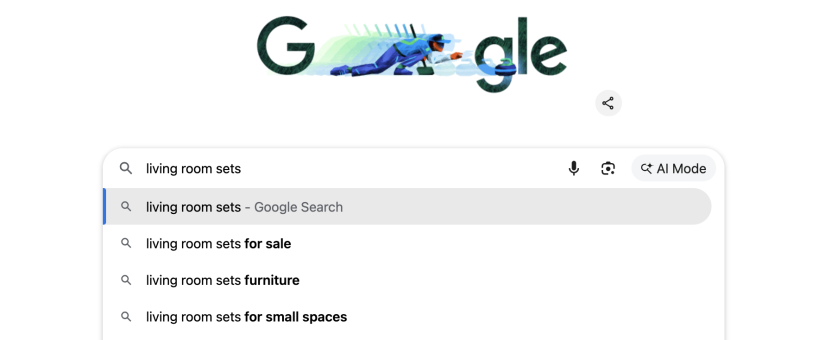
- Keywords: “modern sectional sofa,” “leather couches,” “living room furniture sets.”
- Content Ideas: Create blog posts that showcase different styles, tips for arranging furniture, or comparisons between materials.
Bedroom Furniture
- Keywords: “queen bed frame,” “kids bedroom furniture,” “luxury bedroom sets.”
- Content Ideas: Develop guides on choosing the right bed size, decorating tips for small bedrooms, or reviews of popular brands.
Kitchen Furniture
- Keywords: “kitchen islands,” “bar stools,” “dining room tables.”
- Content Ideas: Write articles about maximizing kitchen space, trends in dining furniture, or DIY projects for kitchen upgrades.
Outdoor Furniture
- Keywords: “patio furniture,” “garden chairs,” “outdoor dining sets.”
- Content Ideas: Share tips on maintaining outdoor furniture, seasonal trends, or how to create a cozy outdoor space.
By organizing your keywords into categories, you can create a more structured content plan that addresses the specific needs of your audience.
Seasonal Furniture Searches
Seasonal trends can significantly influence the types of furniture searches consumers conduct. Understanding these patterns allows you to adjust your keyword strategy accordingly.
Spring and Summer
During these seasons, people often look for outdoor furniture and lighter decor. Keywords like “patio sets” and “outdoor lounge chairs” become more popular.
- Content Strategy: Focus on articles that highlight outdoor living spaces, summer sales, and tips for entertaining guests outside.
Fall and Winter
As the weather cools, consumers shift their focus to indoor furniture. Keywords such as “cozy living room furniture” and “winter home decor” gain traction.
- Content Strategy: Create content that emphasizes warmth and comfort, such as guides on selecting the best blankets or tips for creating a cozy atmosphere.
By aligning your keyword strategy with seasonal trends, you can capture timely traffic and meet the evolving needs of your customers.
Long-Tail Keywords for Furniture Stores
Long-tail keywords are phrases that are typically longer and more specific than standard keywords. They often have lower search volumes but can lead to higher conversion rates due to their specificity.
Examples of Long-Tail Keywords
- “affordable modern sectional sofa for small spaces”
- “best dining tables for family gatherings”
- “eco-friendly furniture options for sustainable living”
Benefits of Long-Tail Keywords
- Less Competition: Long-tail keywords often face less competition, making it easier to rank higher in search results.
- Higher Conversion Rates: These keywords cater to specific needs, attracting users who are more likely to make a purchase.
- Improved User Experience: By addressing specific queries, you enhance the overall user experience on your site.
Incorporating long-tail keywords into your content can help you attract a more targeted audience and improve your chances of conversion.
Utilizing Local SEO for Furniture Stores
For physical furniture stores, leveraging SEO for furniture retailers is vital for attracting nearby customers. Optimizing your online presence for local searches can significantly increase foot traffic to your store.
Key Strategies for Local SEO
- Google My Business: Ensure your profile is complete with accurate information, including your address, phone number, and hours of operation. Regularly update it with posts and customer reviews.
- Local Keywords: Use phrases like “furniture stores in [City]” or “best furniture near me” in your content to target local searches.
- Online Reviews: Encourage satisfied customers to leave positive reviews on platforms like Google and Yelp. Responding to reviews can also enhance your local SEO efforts.
By focusing on local SEO, you can connect with customers in your area and drive more traffic to your physical store.
Analyzing Competitor Keywords
Understanding the keywords your competitors are targeting can provide valuable insights for your own SEO strategy.
Steps to Analyze Competitor Keywords
- Identify Competitors: List your main competitors in the furniture industry.
- Keyword Research Tools: Use tools like SEMrush or Ahrefs to analyze the keywords they rank for.
- Content Gaps: Look for keywords that your competitors are targeting that you are not. This can help you identify opportunities for new content.
By analyzing competitor keywords, you can refine your strategy and ensure you are targeting the most effective terms for your audience.
Creating Engaging Content Around Keywords

Once you have identified your target keywords, the next step is to create engaging content that resonates with your audience.
Content Types to Consider
- Blog Posts: Write informative articles that address common questions or concerns related to furniture shopping.
- Product Descriptions: Optimize your product pages with relevant keywords to improve visibility in search results.
- Videos: Create video content showcasing your furniture, providing tips, or offering design inspiration.
Best Practices for Content Creation
- Keyword Placement: Integrate your keywords naturally into your content, including headings, subheadings, and meta descriptions.
- Quality Over Quantity: Focus on creating high-quality, informative content that provides value to your readers.
- Visuals: Use images and videos to enhance your content and keep readers engaged.
By producing engaging content around your keywords, you can improve your search rankings and attract more visitors to your site.
Monitoring and Adjusting Your Keyword Strategy
SEO is not a one-time effort; it requires ongoing monitoring and adjustments.
Tools for Monitoring Keywords
- Google Analytics: Track your website traffic and see which keywords are driving the most visitors.
- Rank Tracking Tools: Use tools like Moz or SEMrush to monitor your keyword rankings over time.
Adjusting Your Strategy
- Analyze Performance: Regularly review your keyword performance and adjust your strategy based on what is working and what is not.
- Stay Updated: Keep an eye on industry trends and adjust your keywords accordingly to stay relevant.
By continuously monitoring and adjusting your keyword strategy, you can ensure that your furniture store remains competitive in the ever-evolving online landscape.
Final Thoughts
In the competitive world of furniture retail, understanding and utilizing the right keywords is essential for driving traffic and increasing sales. By focusing on buyer intent, mapping keywords by category, and leveraging local SEO, you can create a comprehensive strategy that attracts and converts customers. Remember to monitor your performance and adjust your strategy as needed to stay ahead of the competition. With the right approach, your furniture store can thrive in the digital marketplace.

Bryan Halverson is the Owner of Proactive Online Marketing, an SEO-focused Digital Marketing Agency that covers the Central Valley and beyond. For any questions or concerns, feel free to reach out at bhalverson@proactiveonlinemarketing.com
- Posted by Bryan Halverson
- On February 6, 2026
- 0 Comment