Content Marketing for Furniture Stores: Ideas and Strategies For Successful Posting
Furniture stores face tough competition. Shoppers have endless choices online and in-store, and many brands fight for attention every day. Great products matter, but strong content helps people notice your store, trust your brand, and choose you when they are ready to buy.
Content marketing gives furniture retailers a clear way to connect with shoppers, answer their questions, and stay top of mind throughout the buying process.
Let’s break it down.
Why Content Marketing Matters for Furniture Stores
Content marketing means creating helpful and engaging content that supports your customers, not just selling to them.
Furniture is rarely an impulse purchase. Buyers often take time to compare options, measure rooms, explore styles, and look for inspiration. Content helps guide them during that journey.
Here is why content works so well for furniture stores:
-
People want design ideas before they shop
-
Shoppers trust stores that educate them
-
Helpful posts keep your brand visible over time
-
Content builds long-term relationships with buyers
When your store becomes a trusted resource, customers feel more confident purchasing from you.
Content Marketing and SEO Help Customers Find You
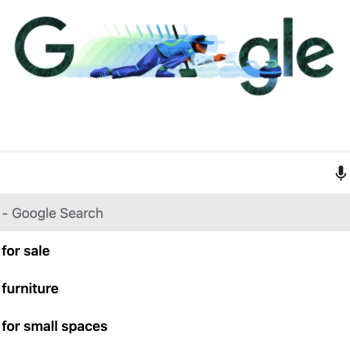
SEO for furniture stores is crucial if you want leads and customers online, and content marketing is a major piece of that puzzle. Search engines can be a huge asset, sending a steady stream of traffic to your website and ultimately increasing your sales and revenue. If your store shows up when people search for furniture, you gain shoppers who already want what you sell.
Pick Keywords Your Customers Actually Search
Focus on real search phrases like:
-
affordable sofas near me
-
modern bedroom furniture
-
best dining chairs for small spaces
-
eco-friendly furniture brands
-
furniture store in [city]
Add these phrases naturally into:
-
Blog posts
-
Product pages
-
Category pages
-
FAQs
The goal is simple: help Google understand what you sell.
Write Strong Titles and Page Descriptions
Your title should feel clear and helpful.
Good example:
“10 Living Room Furniture Ideas for Small Spaces”
Your description should encourage clicks by showing value.
This helps you get more visitors from search results.
Create Local SEO Content
If you have a showroom, local content matters.
Write posts like:
-
Best furniture store in Minneapolis for sectionals
-
Where to buy dining room sets in [city]
-
Local delivery and setup services explained
Local shoppers often buy quickly once they find the right store.
Understand What Furniture Shoppers Need

The best content starts with customer questions.
Furniture shoppers often wonder:
-
Will this sofa fit my space?
-
What style works best in my home?
-
How do I choose the right dining table size?
-
What fabric is easiest to clean?
-
How do I make a room feel complete?
Your content should respond directly to these concerns. When you answer real questions, you attract buyers who are already interested.
Next steps: list the top questions your customers ask in-store, then turn them into blog topics.
Create Furniture Buying Guides That Build Trust
Buying guides are some of the most effective types of content for furniture stores.
You can write guides such as:
-
How to choose the right sectional for your living room
-
Sofa vs loveseat: what works best for your space
-
What to know before buying bedroom furniture
-
Best furniture options for small apartments
-
How to pick the right mattress firmness
These posts help shoppers feel informed and supported, which makes them more likely to buy from you.
Many shoppers want furniture that looks great, but they may feel unsure about decorating.
Style-focused content brings in customers who want ideas.
Content topics could include:
-
Modern living room furniture ideas
-
How to mix wood tones in one space
-
Popular home decor styles explained
-
Furniture layouts that make small rooms feel bigger
-
How to style a cozy bedroom with the right pieces
This kind of content inspires shoppers and encourages them to picture your furniture in their homes.
Teach Furniture Care and Maintenance
Furniture is an investment. Customers want pieces that last.
Care content builds trust and keeps people returning to your site.
Helpful post ideas include:
-
How to clean leather sofas
-
Tips for protecting wood dining tables
-
How to care for velvet upholstery
-
Keeping outdoor furniture in great shape
-
Best ways to prevent stains and scratches
Care guides also help reduce buyer hesitation since shoppers feel prepared to maintain their purchase.
Use Visual Content to Showcase Your Products
Furniture is highly visual, so your content should be too.
Strong visual content includes:
-
Room setup photos
-
Before-and-after transformations
-
Short videos of furniture in real spaces
-
Styling tips using your products
-
Seasonal lookbooks or collections
Photos and videos help shoppers imagine how furniture will look in their own homes.
Next steps: create content that shows furniture in real rooms, not just studio shots.
Encourage Customer Content and Testimonials

Your customers can help create some of your best marketing content.
Ask shoppers to share photos of your furniture in their homes. Feature those images on your website or social media.
Ideas include:
-
A branded hashtag campaign
-
Monthly customer spotlight posts
-
Simple giveaways for shared photos
-
Testimonials paired with room pictures
Real customer stories feel authentic and help new buyers trust your store.
Tell Stories Behind Your Furniture Brand
Storytelling makes your store more memorable.
You can share content about:
-
The people behind your business
-
How your furniture is made or sourced
-
What inspires your collections
-
Your showroom setup process
-
Customer success stories and home makeovers
These stories create emotional connection, which matters in home-focused shopping.
Offer Content That Supports the Buying Process
Furniture shoppers often need reassurance before making a decision.
Content that supports buyers includes:
-
Measuring guides for sofas, beds, and tables
-
Room planning tips
-
Posts about delivery and setup
-
FAQs about materials and durability
-
Comparisons between popular furniture options
This content helps remove doubts and makes purchasing feel easier.
Stay Consistent With a Content Plan
Content marketing works best when you publish regularly.
A simple plan might include:
-
One blog post per week
-
Monthly style inspiration posts
-
Seasonal furniture guides
-
Regular customer spotlight features
-
Short videos showing new arrivals
Consistency keeps your store visible and builds trust over time.
Next steps: start with a few strong topics, then grow your library of content month by month.
Final Thoughts
Content marketing helps furniture stores attract shoppers, earn trust, and turn interest into sales. By creating buying guides, style inspiration, care tips, and real customer stories, you give people more reasons to choose your store.
Start with content that answers customer questions. Keep it helpful, visual, and consistent.
When shoppers feel informed and inspired, they will come back to your store when they are ready to buy.

Bryan Halverson is the Owner of Proactive Online Marketing, an SEO-focused Digital Marketing Agency that covers the Central Valley and beyond. For any questions or concerns, feel free to reach out at bhalverson@proactiveonlinemarketing.com
- Posted by Bryan Halverson
- On February 6, 2026
- 0 Comment