Mastering SEO for Furniture Product Pages: A Comprehensive Guide
Creating an effective SEO strategy for your furniture product pages is essential for driving traffic and increasing conversions. In a competitive market, understanding how to optimize your furniture category pages can set your brand apart. This guide will walk you through the key elements of furniture product page SEO, ensuring your listings are not only visible but also compelling enough to convert visitors into customers.
Understanding the Structure of Furniture Category Pages
A well-structured furniture category page serves as the foundation for your product listings. It should be designed to enhance user experience while also catering to search engine algorithms. Here’s how to create an effective structure:
Your category page should have a straightforward navigation system. This includes:
- Main Categories: Clearly defined sections for different types of furniture (e.g., living room, bedroom, office).
- Subcategories: Break down main categories into specific types (e.g., sofas, chairs, tables).
- Filters: Allow users to filter products by size, color, material, and price range.
2. Engaging Visuals
High-quality images are crucial. Use multiple angles and lifestyle shots to help customers visualize the furniture in their own spaces. Consider adding:
- Zoom Features: Allow users to see details up close.
- 360-Degree Views: Provide an interactive experience that enhances engagement.
3. Informative Content
Each category page should include a brief description that outlines what customers can expect. This content should be optimized for relevant keywords without sounding forced. Aim for a natural flow that informs and engages.
Crafting Compelling Product Descriptions
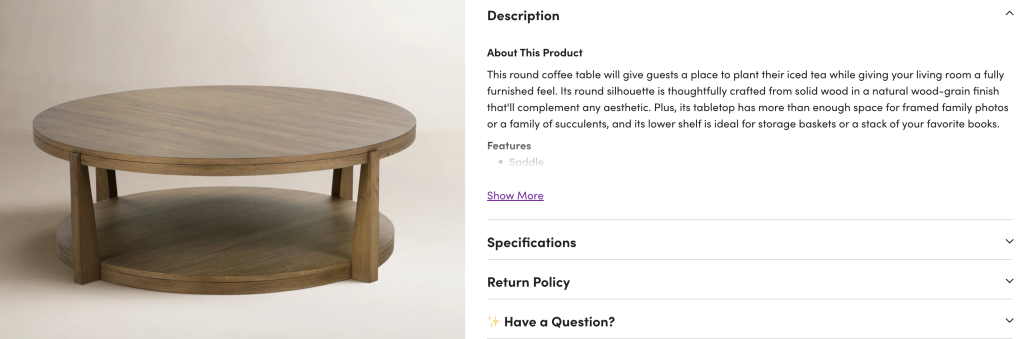
Product descriptions are your opportunity to connect with potential buyers. They should do more than just list features; they should tell a story. Here’s how to write descriptions that sell:
1. Know Your Audience
Understanding your target demographic is key. Consider their preferences, pain points, and what they value in furniture. Tailor your descriptions to address these aspects.
2. Highlight Benefits Over Features
Instead of merely stating what a product is, explain how it benefits the customer. For example, instead of saying “This sofa is made of leather,” you could say, “Experience the luxury of genuine leather that not only looks stunning but is also easy to clean and maintain.”
3. Use Persuasive Language
Incorporate emotional triggers and sensory words. Phrases like “sink into comfort” or “transform your living space” can evoke feelings that encourage purchases.
4. Incorporate SEO Best Practices
Utilize relevant keywords naturally within your descriptions. This includes primary keywords like “furniture product page SEO” and secondary keywords related to specific items. However, avoid keyword stuffing, as it can detract from the readability of your content.
Implementing Schema Markup for Products
Schema markup is a powerful tool that helps search engines understand your content better. By implementing structured data, you can enhance your product listings in search results. Here’s how to do it:
1. Use Product Schema
Implement product schema to provide search engines with detailed information about your furniture items. This includes:
- Product Name
- Description
- Price
- Availability
- Brand
2. Enhance Rich Snippets
Rich snippets can improve click-through rates by providing additional information directly in search results. For example, including star ratings or price ranges can attract more clicks.
3. Regularly Update Schema
Ensure that your schema markup is up-to-date with any changes in product details. This helps maintain accuracy and relevance in search results.
Internal Linking Between Collections
An effective internal linking strategy can significantly enhance your SEO efforts. Here’s how to implement it:
1. Link Related Products
When a customer views a product, suggest related items through internal links. For example, if someone is looking at a dining table, link to matching chairs or tableware.
2. Create a Logical Flow
Ensure that your internal links create a logical flow throughout your site. This not only helps with SEO but also improves user experience by guiding customers through their shopping journey.
3. Use Descriptive Anchor Text
When creating internal links, use descriptive anchor text that clearly indicates what the linked page is about. This helps both users and search engines understand the context.
Optimizing for Mobile Users
With an increasing number of consumers shopping on mobile devices, optimizing your furniture product pages for mobile is crucial. Here’s how to ensure a seamless mobile experience:
1. Responsive Design
Ensure your website is responsive, meaning it adjusts to different screen sizes. This includes:
- Flexible Images: Images should resize based on the device.
- Touch-Friendly Navigation: Buttons and links should be easy to tap.
2. Fast Loading Times
Mobile users expect quick loading times. Optimize images and minimize code to enhance speed. Tools like Google PageSpeed Insights can help identify areas for improvement.
3. Simplified Checkout Process
Make the checkout process as straightforward as possible. Reduce the number of steps and allow for guest checkouts to minimize cart abandonment.
Utilizing Customer Reviews and Social Proof

Customer reviews can significantly influence purchasing decisions. Here’s how to leverage them effectively:
1. Encourage Reviews
Prompt customers to leave reviews after their purchase. Consider offering incentives, such as discounts on future purchases, to encourage participation.
2. Showcase Positive Feedback
Display customer reviews prominently on product pages. Highlighting positive experiences can build trust and encourage new customers to make a purchase.
3. Use User-Generated Content
Incorporate photos from customers showcasing your furniture in their homes. This not only adds authenticity but also helps potential buyers visualize the product in a real-world setting.
Analyzing and Adjusting Your Strategy
SEO is not a one-time effort; it requires ongoing analysis and adjustments. Here’s how to keep your strategy effective:
1. Monitor Performance
Use tools like Google Analytics to track the performance of your product pages. Pay attention to metrics such as:
- Traffic Sources
- Bounce Rates
- Conversion Rates
2. A/B Testing
Conduct A/B tests on different elements of your product pages, such as images, descriptions, and calls to action. This can help identify what resonates best with your audience.
3. Stay Updated on SEO Trends
SEO is constantly evolving. Stay informed about the latest trends and algorithm updates to ensure your strategy remains effective.
Final Thoughts
When it comes to SEO for furniture stores, optimization of furniture product pages is essential for driving traffic and increasing conversions. By focusing on clear navigation, compelling product descriptions, schema markup, internal linking, mobile optimization, customer reviews, and ongoing analysis, you can create a robust SEO strategy that stands out in a competitive market. Remember, the goal is not just to attract visitors but to convert them into loyal customers.
By implementing these strategies, you’ll be well on your way to enhancing your furniture brand’s online presence and achieving greater success in the ecommerce landscape.

Bryan Halverson is the Owner of Proactive Online Marketing, an SEO-focused Digital Marketing Agency that covers the Central Valley and beyond. For any questions or concerns, feel free to reach out at bhalverson@proactiveonlinemarketing.com
- Posted by Bryan Halverson
- On February 5, 2026
- 0 Comment